By Denys Medvediev
Comparison
Descript alternatives, honestly
"I want a Descript alternative" is one search covering three different people. Here is the honest field — sorted by the job you are actually doing, not by who paid for the listicle.
Last updated: June 2026

The best Descript alternative depends on your job. Descript is a text-based video and podcast editor, so "I want a Descript alternative" is one phrase covering three people: video editors, transcribers, and people who just want to talk and get text. For dictation, Whisper by Remskill runs offline or via OpenAI and pastes text at your cursor in any app — three transcription paths (Cloud, Parakeet, local Whisper), with the local pipeline free for every signed-in user.
Here is the part nobody says out loud. A lot of people land on Descript, get overwhelmed by a video editor, and conclude they need a "better Descript." Often they don't. They need a smaller tool that does the one thing they came for.
I have read enough support email to recognize the pattern: someone signs up to "transcribe a few interviews," opens a multi-track timeline, and closes the tab without typing a word.
The honest answer: Descript is a video editor, you might want a dictation tool
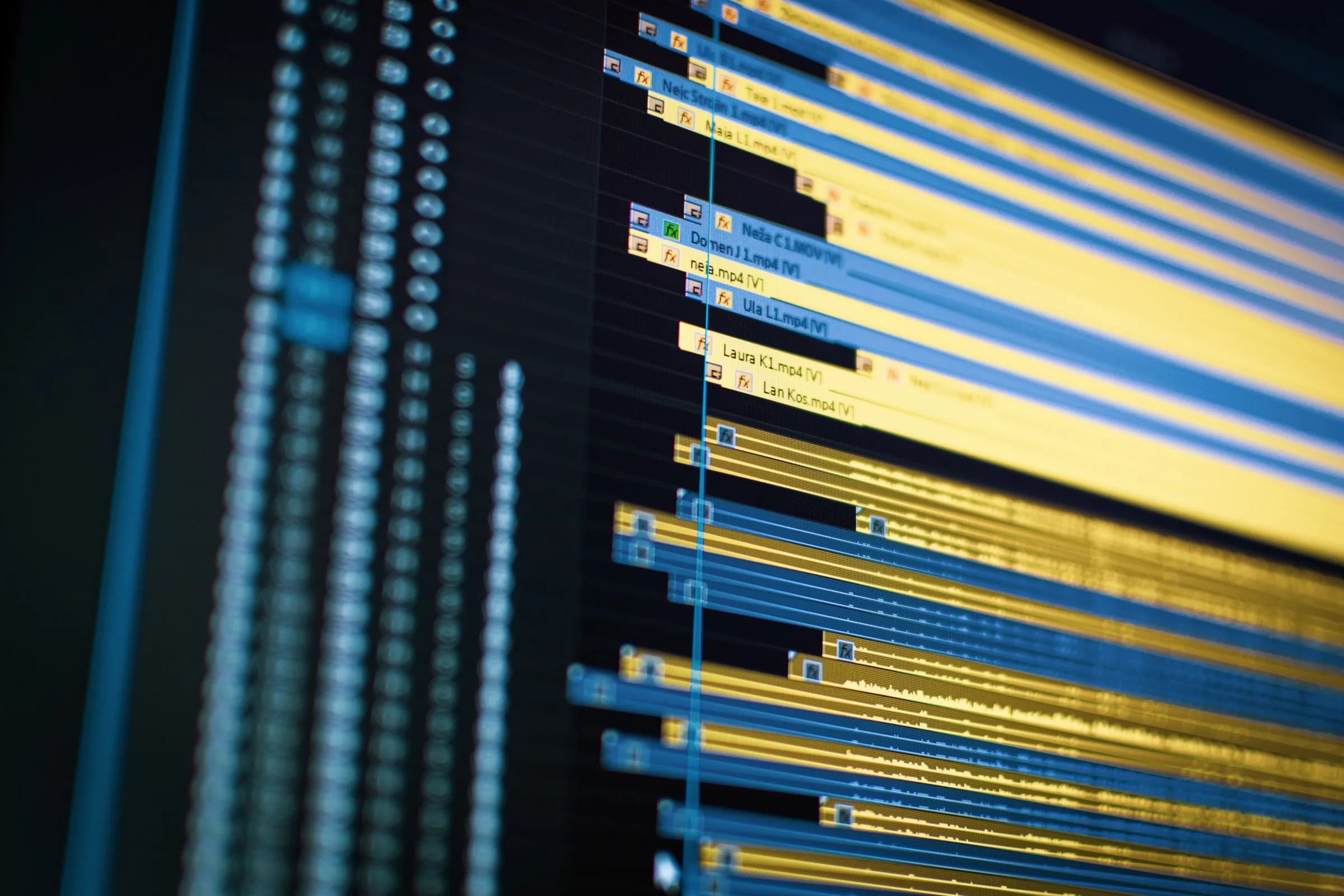
Descript bills itself as an all-in-one AI video and podcast editor: record, transcribe, edit, and publish in one place. Its headline trick is text-based editing. Delete a word in the transcript and the underlying video updates to match. It also clones your voice with Overdub so a typed fix can be spoken back in your voice, and it records your screen, mic, and webcam in one shot.
Descript is a real editor for real video work. The problem is that "I want a Descript alternative" is one search phrase covering at least three different people.
People searching for an alternative usually fall into three camps. The first wants to edit video or podcasts and finds Descript clumsy or pricey. The second wants accurate transcription of recordings (meetings, interviews, lectures) and does not care about video at all. The third never wanted an editor in the first place. They want to talk and have clean text appear in their email, their doc, or their chat window.
Most of the listicles ranking for this keyword blur all three together and hand you ten tools. A ten-tool dump is not a recommendation, it is a parking lot. The boring truth is the right alternative depends on which of those three people you are.
How I picked the alternatives in this article
I did not run a lab benchmark on every tool, and I am not going to pretend I did. Inventing "47 hours of testing across three laptops" would be exactly the kind of fake methodology that makes these articles useless. So here is the honest version of what I weighed.
I picked tools on five criteria, each one verifiable from the tool's own docs or from using it:
- What job it does. Video editing, recorded-file transcription, or live dictation. These are different jobs, and mixing them is how readers end up with the wrong tool.
- Where it runs. Desktop, browser, or both. Platform decides whether it fits your machine before anything else does.
- Local or cloud. Whether your audio is processed on your computer or sent to a vendor's servers. For sensitive work that is the whole decision.
- Offline support. Whether it keeps working with no internet after install. Trains, planes, and locked-down corporate laptops care about this.
- Pricing model. Free, subscription, or per-minute, stated as a model and not a dollar figure (vendors change prices; I link out instead).
For Whisper I am writing from hands-on use, because we build it. For the others I am working from each tool's documented capabilities and category, not from a head-to-head benchmark I never ran. Where I do not know a number for certain, I leave it out rather than guess.
Why people leave Descript (and the two questions that decide your pick)
Two questions sort the whole decision.
First: do you need to edit video, or just get text? If you cut clips, arranging a timeline, exporting a finished piece, you are in editor territory and most "transcription" tools will frustrate you. If you only need words on a page, an editor is a heavy coat for a warm day.
Second: where does the text need to land? Recorded transcription dumps a transcript into a project file you then copy out. Dictation puts text where your cursor already sits: the email draft, the Slack message, the Google Doc, the line of code. If you spend your day writing inside other apps, that difference is the whole game.
Once you answer those two, the field narrows fast. Want video editing minus the cost or the learning curve? You want a different editor, like DaVinci Resolve, Riverside, or VEED. Want a clean transcript of a recording? You want a transcription service. Want to stop typing? You want a dictation tool, which is the camp Whisper sits in.
I built Whisper for the third camp, so I will be upfront about which questions send you somewhere else.
When Descript is the right tool (don't switch for nothing)
Sometimes the answer is "stay where you are." If your work is text-based video editing, you record a talking-head video, fix the script by editing the transcript, drop in B-roll, and export, then Descript is built for exactly that, and the text-based timeline is the reason people love it. Overdub and one-shot screen recording are real features that a dictation tool does not have. Switching tools to save money on capability you use is a false economy.
Descript runs as a desktop app on macOS and Windows and as an online editor in the browser, and it has a free plan plus paid tiers that add media hours, AI credits, and higher-resolution exports. If you are producing video weekly, that is money well spent. Don't switch for nothing. Here is a rough sketch of the editor surface people stay for, a transcript pane where deleting text trims the clip:
So um today we are walking through the new release.
Delete a word here and the clip below trims to match.
Whisper by Remskill: press a hotkey, get text in any app
If you are in the third camp, you want to stop typing, not learn an editor, this is the part for you.
Whisper by Remskill is a dictation and voice-assistant desktop app. You hold a hotkey, speak, release, and the transcription is pasted at your cursor in whatever app is in front of you. On Windows the default hotkey is Ctrl+Space. On macOS it is the Command+Option chord: hold both, speak, release either key to stop. The text lands wherever you can type: a word processor, an email, Slack, Discord, Teams, VS Code, Notion, Obsidian, a browser field.
Here is the whole difference from Descript. No project file, no timeline, no export step. You are already in the app where the words need to go, and the words just appear there.
You also pick how transcription runs. Three paths exist, and the app does not choose for you. Cloud mode uses your own OpenAI key, with transcription via gpt-4o-mini-transcribe or gpt-4o-transcribe. Local Parakeet is NVIDIA's Parakeet TDT model (~600 MB), described in-app as 5-10x faster than Whisper on CPU, covering English plus 24 European languages. Local Whisper is eight models from Base (~140 MB) to Large v3 (~3 GB); the multilingual ones handle 99 languages, the .en builds are English only.
One more thing Descript was never built to do. Say "Hey whisper" before your request and the app runs the transcribed text through AI instead of just pasting it, to clean it up, rewrite it, or in Cloud mode search the web and paste the answer. You can read more about that in our guide to voice web search commands. It is a different tool wearing the same hotkey.
The other Descript alternatives, side by side
Whisper is the right pick for dictation. It is not the right pick for everything, and pretending otherwise would make this whole article worthless. Here is the honest field, sorted by the job you are actually doing. Every column below is something you can verify from each tool's own site, so there are no invented speed or accuracy numbers in it.
| Tool | Platform | Local or cloud | Works offline | Pricing model | Best for |
|---|---|---|---|---|---|
| Whisper by Remskill | Windows, macOS (Apple Silicon) | Both (local default) | Yes, in local mode | Free local tier; paid Cloud | Live dictation into any app |
| Descript | Windows, macOS, web | Cloud | No | Free tier plus subscription | Text-based video and podcast editing |
| DaVinci Resolve | Windows, macOS, Linux | Local | Yes | Free tier plus one-time paid | Serious video editing without a subscription |
| Riverside | Web, desktop | Cloud | No | Free tier plus subscription | Remote recording for podcasts and interviews |
| VEED | Web | Cloud | No | Free tier plus subscription | Browser video editing and social clips |
| Otter.ai | Web, mobile | Cloud | No | Free tier plus subscription | Meeting transcription with speaker labels |
| Rev | Web | Cloud | No | Per-minute and subscription | Finished transcripts of recorded files |
| Sonix / Trint | Web | Cloud | No | Subscription | Team transcription with editing workflows |
| oTranscribe | Web | Local (in browser) | No | Free, no account | Manual transcription of a recording |
A few notes the table cannot hold. DaVinci Resolve is the heavyweight if you left Descript because you want serious editing without the subscription. Otter, Rev, Sonix, and Trint are about turning recorded audio into a clean transcript, not editing video. oTranscribe is spartan but real, a free web tool for typing along to audio yourself. We wrote a longer take on the meeting-transcription category in our Otter.ai alternative piece.
None of those put text at your cursor while you work. That is the line. If your job is editing video, pick an editor from the table. If your job is transcribing recordings, pick a transcription service. If your job is writing, and you would rather talk than type, keep reading.
Local vs cloud: which mode for privacy and offline use
Here I have an actual opinion, and I will back it with a story.
Cloud-only dictation is a privacy disaster waiting to be transcribed. Your boss's salary spreadsheet, the email to your kid's school, the legal brief you are drafting: none of that should pass through a vendor's servers because you wanted to type with your voice. A team I worked with once had a contractor build an internal "AI dictation" prototype that called a cloud API for every utterance. The manager opened the cost dashboard at the end of the quarter and found a five-figure bill, most of it a single team transcribing standup recordings four times because the "smart retry" logic was too aggressive. The contractor's fix was "optimize the prompt." The CFO's fix was "stop sending meetings to the cloud." I know which fix I would bet on.
Whisper's answer is local mode. In local mode, your audio is processed on your computer with a downloaded model. Nothing is sent to any server, and it works with no internet at all after the one-time download. Cloud mode is the escape hatch, not the default: when you turn it on, audio goes straight to OpenAI through your own key, and Remskill is never in the middle. Descript, by contrast, is a cloud and online editor by design.
So the rule of thumb is simple. If your machine is recent (Apple Silicon, or a PC from the last few years) start local. You get offline transcription, no per-minute bill, and nothing leaves the laptop. Reach for cloud only when you want the latest OpenAI quality or web answers in the same hotkey. For more on running everything on-device, see our guide to offline speech to text.
What it costs, without the runaround
Pricing without a sales pitch goes like this. Whisper is free for every signed-in user for the entire local pipeline: local Whisper, Parakeet, AI enhancement through Ollama, history, presets, custom hotkeys, model downloads, with no payment method required to sign up. The Cloud surface (OpenAI cloud transcription, Cloud AI enhancement, OpenAI web search) is the paid part, Whisper Pro.
Recorded-transcription tools usually price the opposite way. Descript meters media hours and AI credits across its tiers. Per-minute transcription services charge by the length of every file. Whisper's local mode does not meter you, because the work happens on your own CPU. The exact Pro numbers, including lifetime, live on the pricing page. I would rather you tried local first and decided whether Cloud is worth it for you.
When to skip Whisper
I will say it plainly. If your real job is editing video, don't pick Whisper. We do not have a timeline, we do not have Overdub, and we do not export a finished video. For that work, stay on Descript or move to a dedicated editor like DaVinci Resolve. If your job is transcribing recorded meetings with multiple speakers and summaries, Otter is the right category and we are not. Whisper earns its place when you are writing inside other apps and would rather talk than type. Pick the tool that matches your actual job, not the one with the loudest landing page.
The smaller-tool test
My younger daughter once asked what I do for work. I said I help people stop typing. She asked if I could help her stop having homework. I am still working on that one. But the principle holds for software too: the win is usually a smaller tool that does your one thing, not a bigger tool that does forty. I have shipped enough over-built systems to trust the smaller tool more than my own first instinct. If you came here wanting a Descript alternative and you only ever needed words on a page, you already have your answer.
Want to stop typing?
Download Whisper, hold the hotkey, watch clean text land wherever your cursor is. Try local mode first — it's free, no card at signup.
If it does not fit your job, the article above told you where to go instead.