By Denys Medvediev
How-To
How to turn off dictation auto-punctuation
Auto-punctuation guesses where your commas and periods go. When it guesses wrong, here is the exact off switch for every desktop tool.
Last updated: June 2026

To turn off dictation auto-punctuation, open the settings for the voice tool you use. On iPhone or iPad go to Settings, General, Keyboard, and switch off Auto-Punctuation. On Mac open System Settings, Keyboard, Dictation, and turn off Auto-punctuation. In Windows voice typing, open the gear on the toolbar and disable Automatic punctuation.
Auto-punctuation drops commas and periods into your text while you talk, guessing where they go. When it guesses right, it saves a few taps. When it guesses wrong, you spend more time deleting stray commas than you would have spent saying "comma" yourself. It is on by default on iPhone, iPad, and Mac, and on Windows voice typing too. The off switch exists on every one of them, just buried in a different drawer each time.
The boring truth is that auto-punctuation works beautifully in the demo and unevenly in real life. It does fine on short, clean sentences and struggles with lists, code, names, and anyone who pauses to think. Below are the exact toggle paths for each desktop tool, the one Windows feature that already ships with it off, and the part nobody mentions: you can still punctuate by voice after you turn it off.
Why you might want it off in the first place

Auto-punctuation is a guess. The software reads your pauses and intonation and decides, in real time, where a comma or period belongs. For a tidy spoken sentence that works. For most of what people actually dictate, it does not.
Dictate a grocery list and get one run-on sentence with commas in the wrong places. Dictate a line of code and get a period inside a variable name. Pause to remember a surname, and the software reads the silence as the end of a thought. None of these are bugs — they are the cost of letting a machine punctuate for you.
So people turn it off for control. The text comes out as a plain stream of words and you add the marks yourself — easier to fix than a confident wrong guess.
Turn it off in Windows voice typing

Windows voice typing is the one you start with the Windows key plus H. The toggle: press Windows key + H in any text field to open the voice typing toolbar, click the gear (Settings) icon on that toolbar, then turn off Automatic punctuation.
Microsoft documents that gear as the place to manage the Automatic punctuation option, as Microsoft's voice typing documentation describes. The way Windows ships it, that option is on, so for most people this is a switch you turn off rather than one you never touched. If it ever flips back after an update, just open the gear and turn it off again.
New to Win+H? The full walkthrough is in our guide to using voice typing on Windows.
Turn it off on Mac
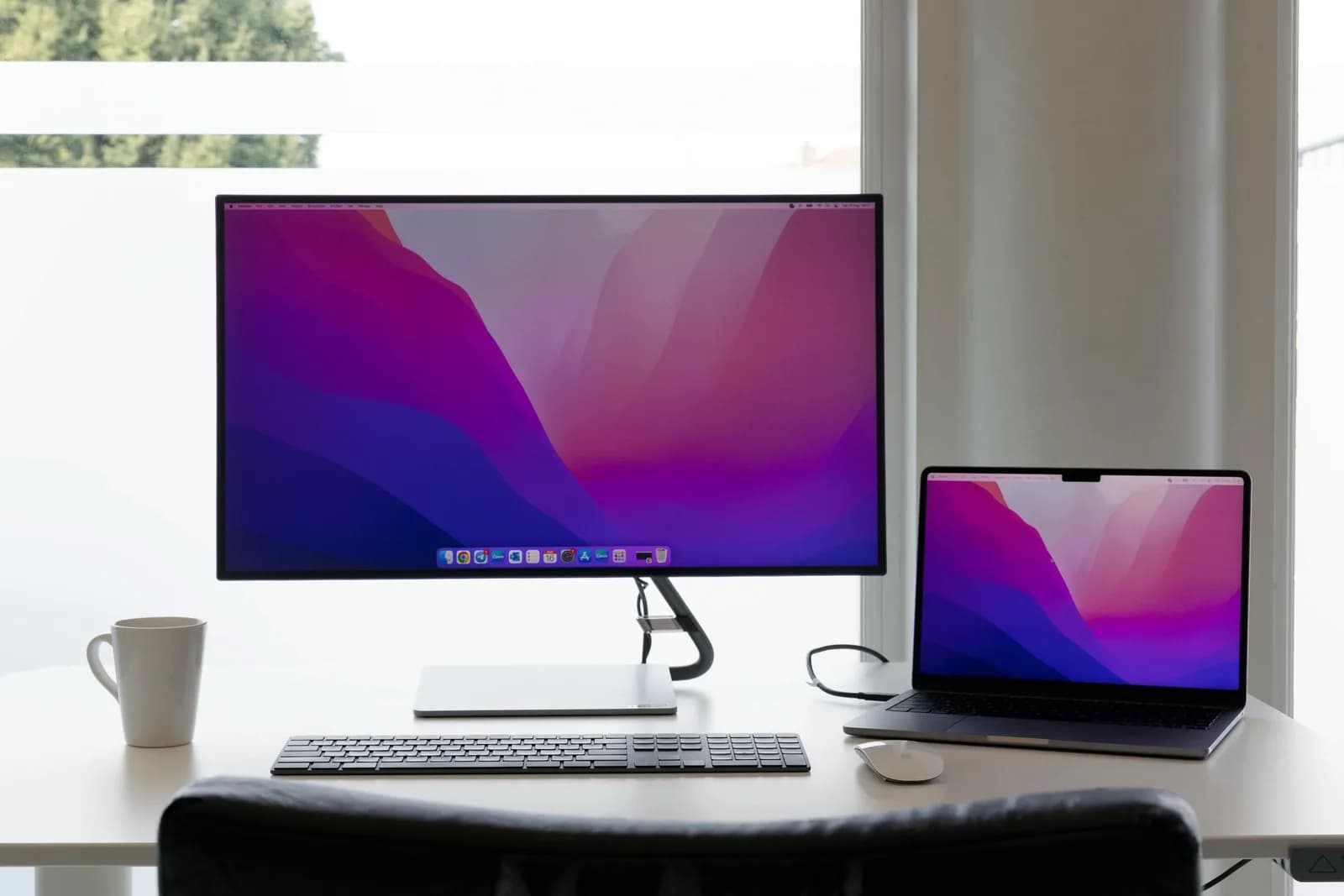
On a Mac, the toggle lives in System Settings. Open the Apple menu, then System Settings. Click Keyboard in the sidebar (you may need to scroll). Go to Dictation. Turn off Auto-punctuation.
That is Apple's own documented path, per Apple's Mac Dictation guide. In supported languages, macOS Dictation inserts commas, periods, and question marks by default — so this is a setting you switch off, not on. On an older Mac the menu may still say "System Preferences," but it is the same place.
For the wider tour, see our guide to dictation on Mac.
Turn it off in Word Dictate

Word has its own Dictate button, separate from Windows voice typing, with its own punctuation toggle. On the Home tab, click Dictate, then open the gear (Settings) on the floating toolbar and turn off Auto Punctuation.
One caveat from Microsoft: that toggle only appears if it is available for the language you chose, as Microsoft's Word Dictate documentation notes. If you do not see it, your dictation language likely is not on the supported list — a different problem than the toggle being on.
For voice typing in Word more broadly, our speech-to-text in Word guide covers the rest.
Windows Voice Access is the exception — it ships with punctuation off
Here is the one that trips people up. Windows has two voice features that both let you dictate, and they behave oppositely on punctuation.
Win+H voice typing has automatic punctuation on by how Windows ships it. Voice Access — the separate accessibility dictation feature — has it turned off by default, and Microsoft says so directly.
So if you went hunting for a punctuation switch and could not find one already enabled, check which feature you are in. On Voice Access there may be nothing to turn off, because it starts off. If you did turn it on, the toggle is on the Voice Access bar under Settings, then Manage options. Two features, same idea, opposite defaults. I have watched smart people lose ten minutes to this mix-up.
You can still punctuate by voice after turning it off
Turning auto-punctuation off does not mute punctuation entirely. It only stops the automatic guessing. You can still add every mark by saying its name.
On Apple devices, say "comma," "period," "question mark," "exclamation mark," or "new line," and the mark goes in where you said it. Windows voice typing and Word Dictate accept the same spoken commands. You trade automatic-and-sometimes-wrong for manual-and-always-where-you-meant-it.
This is the part the rest of the internet skips, and it is the whole point. Off does not mean punctuation-free — it means you are holding the pen. For the full list of spoken marks and how to phrase them, see our guide on how to dictate punctuation.
Should you actually turn it off? When I would leave it on
Between you and me, auto-punctuation is not always the villain. For short, conversational text — a quick reply, a two-line note — it usually guesses right, and saying "comma" out loud for a 20-word message is more friction than it is worth. Apple's own Dictation does fine on those short bursts. If that is most of your dictation, leave it on.
Turn it off when you write longer or more precise things. Lists, where it strings everything into one sentence. Code, where a stray period lands inside a name. Anything you reread and edit, where a clean unpunctuated stream beats a confident wrong guess. Rule of thumb: under about 30 words, the auto-guess earns its keep; past that, you want the pen.
If your problem is the opposite — punctuation that stopped appearing when you expected it — that is a different issue, and we cover why dictation isn't adding punctuation separately. One tell: if punctuation never appeared at all, even by voice, your dictation language may simply not support auto-punctuation.
If the native toggle is all-or-nothing: finer control with Whisper
The native toggle is binary. Auto-punctuation is on, or it is off. There is no setting for "punctuate my emails but leave my code alone."
This is where a dedicated tool earns its place. Whisper by Remskill runs on Windows and Mac, sits behind one hotkey — Ctrl+Space on Windows, Command+Option on the Mac — and pastes your transcribed text wherever the cursor is. The difference that matters here: Whisper's AI cleanup pass, which tidies punctuation, capitalization, and grammar, is optional and opt-in.
You shape what it does with a preset instead of one all-or-nothing switch — off for a raw stream you control by voice, on when you want the result tidied. That cleanup runs locally and free for any signed-in user, nothing leaving your machine. Whisper is desktop only — for your PC and Mac, not your phone.
Auto-punctuation is the friend who finishes your sentences. Helpful at a party, exhausting in a meeting. Turn it off when you want your own commas, leave it on for quick notes, and remember you can always say "period" out loud like it is 2003. Last week I spent an afternoon deleting commas my Mac added to a list of names. The toggle took four seconds. The afternoon, I would like back.
Want punctuation you control, not punctuation you fight?
Download Whisper, hold the hotkey, and decide per preset whether the cleanup pass tidies your text or hands you a raw stream.