By Denys Medvediev
Comparison
A SpeechTexter alternative that works outside the browser
SpeechTexter lives inside one Chrome tab and needs the cloud to listen. The stronger alternative for most people is a desktop dictation app that presses a hotkey, transcribes offline, and pastes speech into any app you're already in.
Last updated: June 2026
The best SpeechTexter alternative for most people is a desktop dictation app with a system-wide hotkey, because SpeechTexter lives inside one Chrome tab and stops at the tab edge. Whisper presses a hotkey, transcribes offline on the computer, and pastes the text wherever the cursor sits — Word, Slack, email, anywhere — instead of one browser window.
I tried SpeechTexter on a Tuesday night to settle an argument with myself. Click the microphone, talk, words appear. No download, no account, free. It is a genuinely tidy little tool. Then I tried to drop a sentence into a Slack message and remembered the catch: it only types into its own page. SpeechTexter's own homepage says the desktop web app needs the latest Chrome and nothing else. The friction isn't the dictation. The friction is the walls around it.
That gap is the whole reason people search for an alternative. Voice typing turned my Saturday email backlog into something I could do while folding laundry — the laundry quality has not improved, but the typing did. The catch with a browser-bound tool is that your day is not browser-bound. You write in a desktop email client, a chat app, a notes app, a code editor. A tool that only fills one web text box makes you copy and paste your way out of it every single time. The fix is not a better web page. The fix is dictation that follows the cursor.
Open a tab, talk, watch it type. That's SpeechTexter.
Credit where it's due: SpeechTexter does one job cleanly. It is a free multilingual speech-to-text web app for turning notes, documents, reports, or blog posts into text by voice — "type with your voice," as the site puts it. You open the page, click the mic, and it transcribes in real time using Google's browser speech recognition, the Web Speech API that runs server-side at Google. More than 70 languages are on the list.
The one feature SpeechTexter has that most browser dictation tools don't is a customizable voice-commands list. You can speak #newparagraph, #newline, #undo, or #redo, plus your own commands to insert punctuation, drop in a phrase, or trigger an action — all by voice. It also auto-capitalizes, has a transcription preview box you can toggle, and exports to a .doc or .txt file. SpeechTexter's own accuracy claim is "higher than 90% should be expected." That's their figure, not a number I measured against it.
If you only ever dictate into that one editor and then copy the result out, this is fine. The trouble starts the moment the writing lives somewhere else.
Where SpeechTexter stops: one Chrome tab, no offline, no other apps

Three walls, and people hit all three.
The first is the browser. On desktop, SpeechTexter requires the latest Google Chrome — other browsers are not supported — on Windows, Mac, or Linux. If you live in Firefox or Safari, you switch browsers to dictate. The second wall is the tab itself: the text lands in SpeechTexter's page, not in the app you're actually writing in. There's no system-wide paste into Word, Slack, Teams, your email client, or a code editor. The third wall is the network. It runs on Google's cloud speech engine, so it needs an internet connection — the site's own troubleshooting points at a "network error" when the connection is poor, and there's no offline mode for the web product. The Android app that once had offline support is no longer supported.
None of these are bugs. They're what a browser dictation tool is. A web page can't legally reach into your desktop apps, and a Web Speech tool can't transcribe without phoning home. If those three walls never get in your way, you don't need an alternative. If you've ever caught yourself dictating into SpeechTexter and then copy-pasting into the thing you meant to write in, that copy-paste step is the alternative knocking. If you're stuck because dictation won't start in Chrome at all, that's a separate rabbit hole — I wrote up the common fixes for voice typing not working in Chrome for when the mic permission or the engine itself is the problem.
Press a hotkey, dictate into any app instead
Here's the category difference in one move. Whisper is a desktop app, not a web page. You press a hotkey, talk, release, and the text appears at your cursor in whatever app is open — a Word document, a Slack thread, a Discord message, a Teams chat, VS Code, Notion, Obsidian, an email draft, a browser field, anywhere you can type. The default hotkey is Ctrl+Space on Windows and Command+Option on Mac.
There's no tab to be inside. The app you're already in stays the app you're in. No copy, no paste, no switching to Chrome first. I spent an embarrassing number of evenings on the paste-at-the-cursor part — the kind of thing that demos in five seconds and takes a month to make reliable across every app. I have a master's degree.
This is the part people underestimate until they feel it. With SpeechTexter, dictation is a place you go to. With a system-wide hotkey, dictation is a thing you do where you already are. My younger daughter, who is seven, tested this better than any spec sheet could. I showed her once — press, talk, release, paste — and she wrote a 90-word email to her grandmother in Ukraine about a tooth she'd just lost and the tooth fairy's exchange rate. She asked zero questions about the tool. Two days later she came back with the only complaint that matters: "it doesn't work in my drawing app." She didn't know what a hotkey conflict was. She just knew the words were supposed to land where she was looking. We shipped customizable hotkeys that night. That's the whole bar: the text goes where you are.
It works in more than 90 languages across both local and cloud modes, and the multilingual model line specifically reaches 99+ languages with auto-detect — the English-only model variants stay English-only, so don't lump those in. The multilingual models can also translate speech to English on the fly, which a browser Web Speech engine doesn't do.
Offline and on your machine, not Google's servers
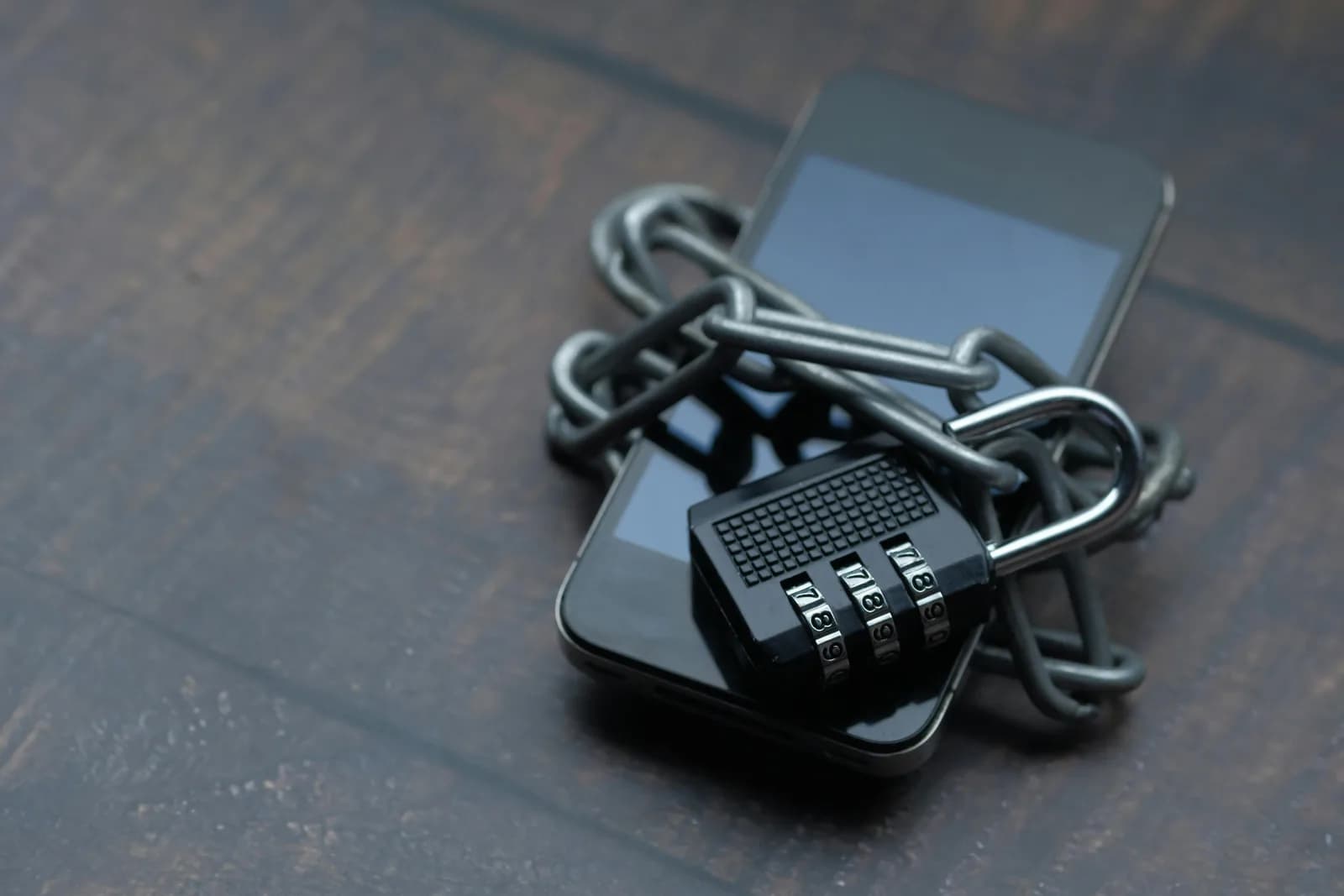
This is where I'll spend my one strong opinion: dictation with no offline option — where the cloud is the only road, not a choice — is a privacy disaster waiting to be transcribed. Your boss's salary spreadsheet, the email to your kid's school, the legal note you're drafting on the train — none of that needs to take a trip through a vendor's servers because you wanted to type with your voice. Cloud transcription you can switch on when you want it is fine. Cloud transcription you can't switch off is the problem. SpeechTexter is honest about being cloud-based; it uses Google's speech recognition and needs a connection to work. That's fine for a grocery list. It's a harder sell for anything you'd be uncomfortable reading aloud in an open-plan office.
Whisper's local mode runs entirely offline — no internet required during transcription. The only time it needs a connection is the one-time model download, somewhere between about 140 MB and 3 GB depending on which model you pick. The underlying local engine is the same open-source OpenAI Whisper model family that powers much of this category. After that, every word stays on your machine. On a flight, on a locked-down work laptop with the network cut, in a room where the Wi-Fi is theoretical — it still types.
I watched a team I worked with rack up a five-figure cloud bill in a single quarter dictating standup recordings, most of it because a "smart retry" loop transcribed the same audio four times. The CFO opened the dashboard at the quarterly review and the room got very quiet. Cloud has its place. It should be a choice you make, not the only road available.
Free with no account, but free buys you different things here
Both tools are free to start, and that word is doing different work in each case. SpeechTexter is free in the purest sense: no download, no installation, no registration — you click the mic and you're dictating. Nothing to set up, nothing to sign into. That's a real advantage and I'm not going to pretend otherwise.
Whisper's local pipeline is also free, but free here means you download a desktop app and create a Whisper account, then grab a model the first time. A few minutes up front instead of zero. What you get for those minutes is the system-wide hotkey, offline transcription, and the cursor-follows-you behavior. The Cloud layer — OpenAI features, bring-your-own-key — is the separate paid Pro tier; don't confuse the free local app with that. The full breakdown lives on the pricing page. The short version: local dictation costs nothing and never expires.
So the honest framing is a trade. SpeechTexter charges you zero setup and zero account, and in return keeps you in one tab on the cloud. Whisper charges you a download and a sign-up, and in return gives you every app and offline. Pick the cost you'd rather pay.
When SpeechTexter is still the better pick

I'd skip the desktop app entirely in a few real situations, and SpeechTexter wins them outright.
If you're on a locked-down machine where you can't install software — a library computer, a school lab, a work laptop with admin lockdown — SpeechTexter runs in a browser tab and asks permission from nobody. If you only dictate occasionally, a paragraph here and there, the zero-install, zero-account model is genuinely less hassle than downloading anything. If you actually use that customizable voice-commands list — speaking #newparagraph and #undo to format as you go — that's a specific workflow SpeechTexter built for and a desktop hotkey tool doesn't replicate the same way. And if you mostly write inside one web editor anyway and copy out rarely, the tab is not a wall, it's just where you work. In all of those, open speechtexter.com, click the mic, and don't overthink it. Sending you to the right free tool when it's the right call is the point.
Other dictation tools worth knowing
SpeechTexter and Whisper aren't the only two. A quick honest map of the field:
- Speechnotes — another free browser-based dictation notepad, same tab-bound shape as SpeechTexter. If you're weighing it too, here's the Speechnotes alternative comparison.
- Dictation.io / Dictanote — free Chrome-based voice typing tools; same browser-tab ceiling, no system-wide paste.
- Speechify — an AI reading and voice product that also does voice typing; positions itself as a SpeechTexter alternative.
- LilySpeech — a Windows dictation tool that uses a Chrome-based engine to type into apps; handy on Windows but tied to that setup.
- Apple Dictation — built into macOS and iOS, free, fine for short bursts, single-platform.
- Windows Voice Typing (Win+H) — built into Windows, dictates system-wide into most text fields, free, no install. If it's misbehaving, the Win+H alternatives guide covers what to use instead.
The split is simple. Browser tools (SpeechTexter, Speechnotes, Dictation.io) are free and zero-install but tab-bound and cloud-dependent. OS dictation (Win+H, Apple) is system-wide and free but single-platform and quality varies. Desktop apps like Whisper are system-wide, offline-capable, and cross-platform, at the cost of a download.
So, what I'd actually pick
If you want the quickest possible dictation on a machine you can't install anything on, stay with SpeechTexter — it's free, it's instant, and the voice-commands list is a nice touch. For everything else — writing across your actual apps, working offline, keeping sensitive text on your own machine — I'd reach for a desktop tool with a system-wide hotkey. Dictation runs about 145 words per minute against roughly 40 for typing, so the bottleneck was never your fingers; it was the walls around the words. Pick the tool with the fewest walls for what you do. If you want to feel the difference, see how voice typing across every app actually works.
SpeechTexter is a good free tool that does exactly what it says inside one Chrome tab. The day your writing moves out of that tab — into your email, your chat, your editor, your notes — is the day you start wanting the dictation to come with you. That's the only real difference, and it's a big one. My seven-year-old figured it out in two days and one bug report. The rest of us can probably manage it too.
Try the difference for yourself
SpeechTexter is a clean free tool that lives in one Chrome tab. The day your writing moves into your email, your chat, your editor, your notes is the day you want the dictation to come with you. Download Whisper, hold the hotkey, and watch the transcript land in whatever app you're in right now.
Free local transcription forever. No payment method at signup. The 7-day Cloud trial asks for a card only at upgrade.