By Denys Medvediev
Troubleshooting
"Speech recognition could not start": 6 Windows fixes
The error comes from legacy Windows Speech Recognition — usually a microphone Windows can't reach, a language mismatch, or a stopped audio service. The fix depends on whether it shows once or on every boot.
Last updated: June 2026

"Speech recognition could not start" is an error from the legacy Windows Speech Recognition feature, usually caused by a microphone Windows can't reach, a recognition language that doesn't match the Windows display language, or a stopped audio service. The fix depends on whether the error appears once on launch or on every boot.
I still remember a relative wrestling Dragon NaturallySpeaking on a Windows 98 desktop with 64MB of RAM. Training took 45 minutes — read a word list to "calibrate" — and dictation then ran at maybe 70% accuracy, four seconds behind every sentence. The headset got thrown across the room. The headset survived. The dictation experiment did not.
Twenty-five years on, Windows still ships a speech feature that can fail at the starting line with one terse line and no explanation why. One thing worth knowing before you sink an hour into this: the dialog comes from Windows Speech Recognition (WSR) — the old Control Panel / Ease of Access feature, not Win+H voice typing or Voice Access. On Windows 11 version 22H2 and later, Microsoft replaced WSR with Voice Access in September 2024; WSR is still present on older versions of Windows. So part of fixing this is deciding whether you even need the thing that's failing. Most fixes take under five minutes.
What the "could not start" error actually means
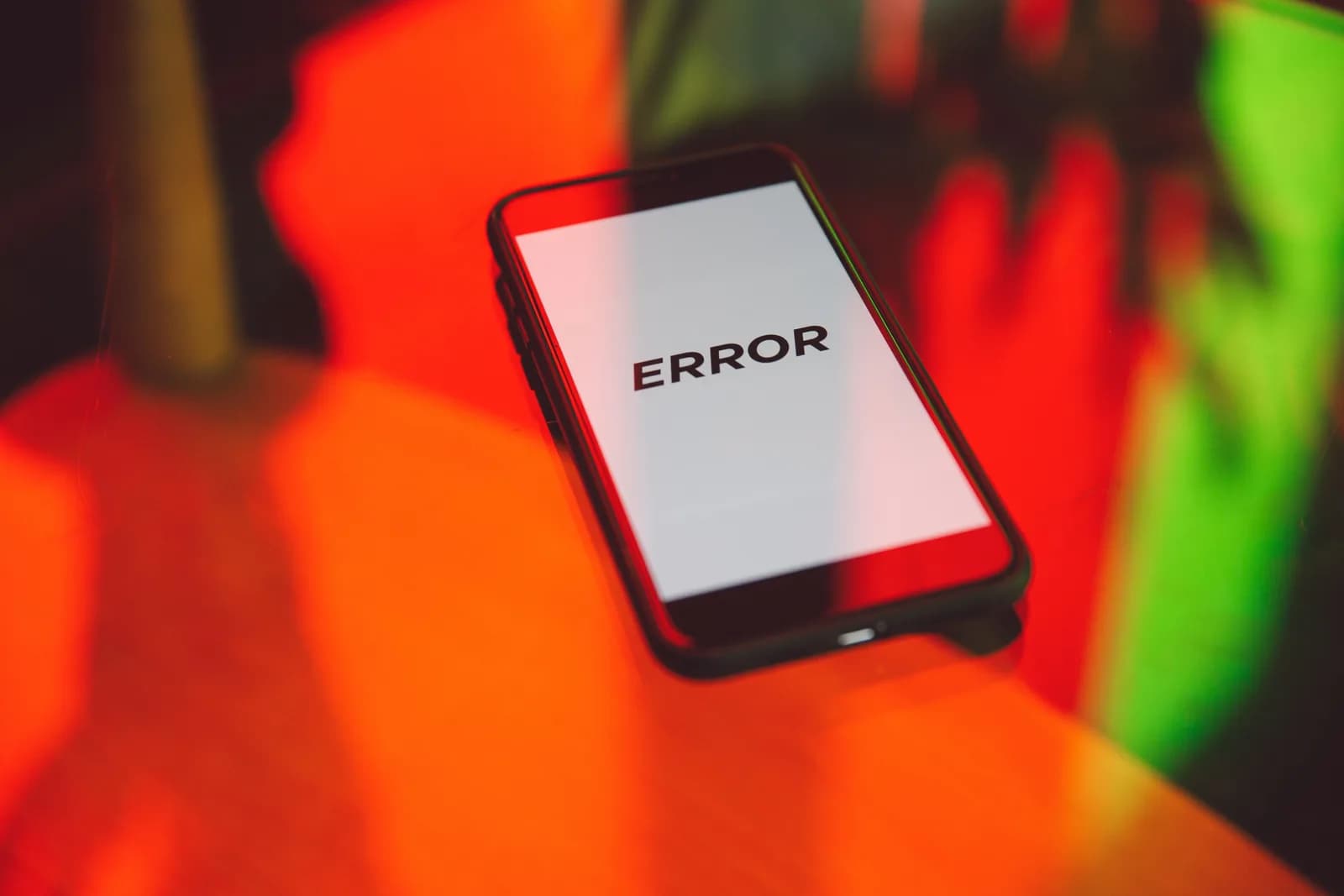
There are two versions of this error, with different fixes. Telling them apart saves the most time.
Version one: it appears once, when you launch Speech Recognition. You opened it on purpose, and the modal stopped you at the door. Almost always the microphone, the recognition language, or a stopped audio service. Fixes below, in order.
Version two: it nags you on every boot. You didn't ask for it. Windows tries to auto-start WSR at login, fails, and throws the dialog before you've opened a browser. This cohort doesn't want Speech Recognition to work — they want it to stop asking. Different fix: turn off "Run Speech Recognition at startup." Skip ahead.
Behind that one terse line sits a short list of usual suspects, in roughly the order worth checking: a muted or non-default microphone, a missing app permission, a mismatched recognition language, a stopped audio service, corrupted system files.
Check the microphone Windows is actually using
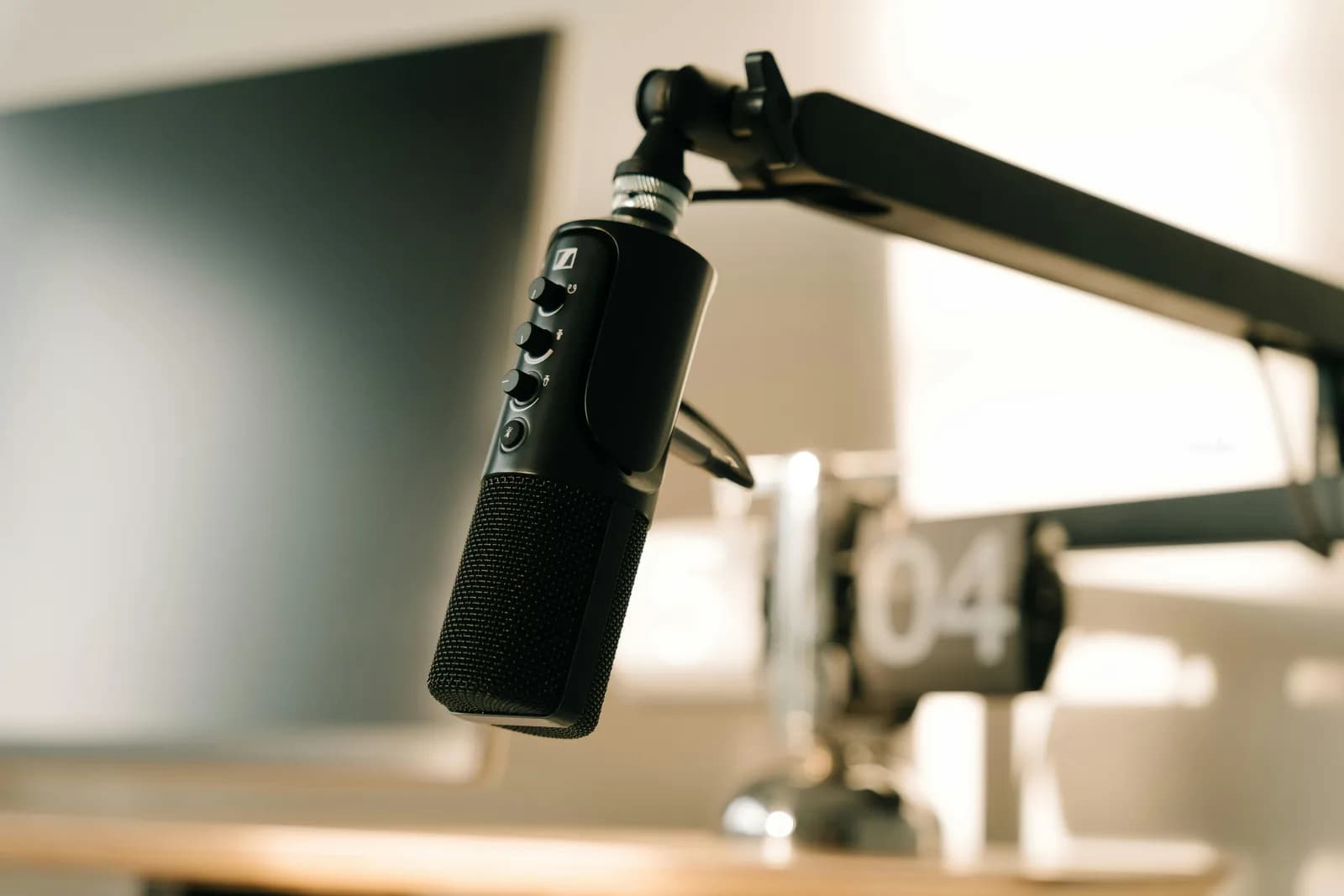
The microphone is the most common cause, so start here. Speech Recognition can't start a session it has nothing to listen to.
First, the permission. Go to Start > Settings > Privacy & security > Microphone and make sure both "Microphone access" and "Let apps access your microphone" are on. A Windows update can flip these off and never tell you (mine did, twice, after the same cumulative update).
Then the device. Go to Start > Settings > System > Sound > Input, pick the microphone you use, and hit "Start test" — speak and watch the bar move. If the bar doesn't move, Windows isn't hearing you, and nothing in Speech Recognition will help until it does.
An older route still works: open the classic Sound applet, Recording tab, right-click your mic, "Set as Default Device." If a headset got unplugged and your built-in mic isn't the default, that's the two-click fix. If the mic isn't showing at all, see why Windows isn't detecting your microphone for dictation.
Match your speech language to your Windows language
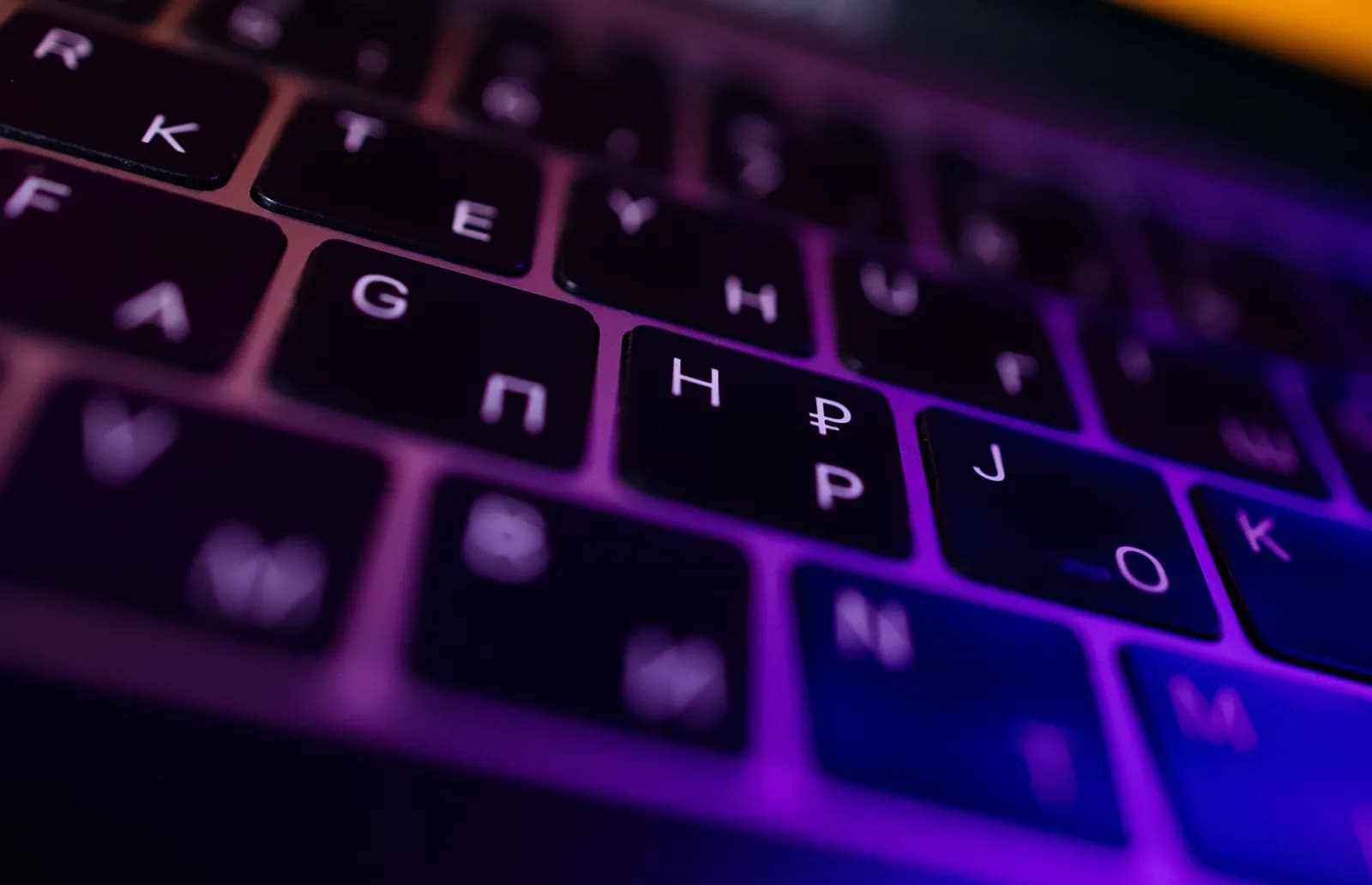
This is the quietest cause and the quickest fix. WSR only runs when the recognition language matches your Windows display language. Change one and not the other, and it refuses to start.
It happens more than you'd think. You switch display language to test something, or a region change drags in a new keyboard layout, and the speech engine ends up set to a language your system no longer uses. Engine and OS disagree about what you speak, so the engine declines to open.
Open Control Panel > Speech Recognition (on older builds, Ease of Access > Speech Recognition) and confirm the recognition language matches the language Windows is set to. Microsoft's voice recognition setup guidance lists the supported languages; the short version is, make the two match. While you're here, check Settings > Privacy & security > Speech and turn online speech recognition on if you rely on it.
Restart the audio and speech services
WSR leans on a few Windows audio services. If one stopped, the speech engine can't get a clean audio path and bails out at start. Restarting them is harmless and takes about 30 seconds.
Press Win+R, type services.msc, press Enter. Restart these three: Windows Audio, Windows Audio Endpoint Builder, and Human Interface Device Service — right-click each, choose Restart (or Start, if it's stopped). On a Bluetooth microphone, also restart Bluetooth Support Service and Bluetooth Audio Gateway Service; Bluetooth audio has its own habit of going quiet.
To be clear, this is a community-tested step, not one Microsoft prints for this specific error. But restarting Windows Audio is harmless and widely recommended, and it clears a surprising number of "it just won't start" problems — so it earns its place before the heavier tools. If the sound-test bar moved but Speech Recognition still won't open, a stalled service is a likely suspect.
When it nags you on every startup: turn it off
If the error greets you at every login, the goal changes. You don't need Speech Recognition to start. You need it to stop trying.
WSR has a setting called "Run Speech Recognition at startup." When enabled, Windows tries to launch the legacy feature on every boot — and on a system where something underneath is broken, that attempt fails and throws the dialog before you've done a thing. Turn it off and the prompt stops reappearing. (My father-in-law lived with this dialog for a year because he assumed it was load-bearing. It was not.)
Open Control Panel > Speech Recognition (or Ease of Access > Speech Recognition on older builds), find the run-at-startup option, and uncheck it. Wording shifts between builds, so if it's not on the main screen, check the advanced speech options. Some users report the real trigger is ctfmon.exe — the Text Services component — no longer auto-starting; restoring it to startup has cleared the prompt for them. That's a community remedy, not an official Microsoft fix, so treat it as a "try if disabling startup didn't do it" step.
There's an honest question buried here: if a legacy feature only ever shows up to tell you it failed, do you want it running at all? On 22H2 and later it isn't even the current voice feature. More on that below.
Repair the deeper stuff: SFC, DISM, and the profile

If the microphone tests clean, the languages match, and the services run, the cause is probably underneath — corrupted system files or a corrupted speech profile. This is where the official Microsoft repair tools come in.
Open an elevated Command Prompt (right-click, "Run as administrator"). Run DISM first, then SFC — order matters, because DISM supplies the clean files SFC uses to patch. Type DISM.exe /Online /Cleanup-image /Restorehealth, wait for "The operation completed successfully," then run sfc /scannow. SFC scans protected system files and replaces corrupted ones from a cached copy. Microsoft documents the sequence in its System File Checker guide. Reboot when it finishes. (First time, I ran SFC alone three times before reading that DISM goes first. The docs were right. I usually am not.)
Still stuck? Re-running the Speech Recognition setup is a low-risk reset that rebuilds a recognition profile gone bad after an update. Some guides suggest creating a fresh profile and deleting the old one — community advice without a clean Microsoft page behind it, so keep that as a last resort. If dictation is broken more broadly than this one modal — Win+H doing nothing, text not appearing — the general Windows Speech Recognition troubleshooting guide covers more ground.
When to stop fighting Windows Speech Recognition
Here's the part most fix-it articles won't say. You can spend an afternoon coaxing back to life a feature Microsoft has already moved on from. On Windows 11 22H2 and later, Voice Access replaced Windows Speech Recognition in September 2024; WSR only lingers on older builds. On a current Windows 11, you don't fix WSR at all — you use Voice Access, or press Win+H for voice typing into any text field, a different and supported feature. The Win+H voice typing guide covers that path. One caveat before you switch: Voice Access launched in English and has added a handful of languages since, so check it covers yours first.
And here's my one opinion: if your dictation tool needs you to "train" it before it works, it's 1999. That 45-minute Dragon calibration made sense when compute was scarce. In 2026 it's a UX failure. A speech feature that throws a cryptic "could not start" instead of just listening is the same failure in a newer dialog. For some people, that's the whole reason to stop fighting this error — the feature isn't worth the afternoon.
If you'd rather just talk to your computer, some paths don't route through the WSR service at all. Whisper by Remskill doesn't touch it. It runs its own engine, offline, on your machine — so the entire "could not start" error class doesn't apply. There's no WSR session to start and fail.
On Windows the default hotkey is Ctrl+Space — hold it, talk, release, and the text lands at your cursor in whatever app you're in. A single dedicated shortcut, not an OS feature that has to boot up and might not. It transcribes over 90 languages locally, which sidesteps the display-language lock that trips WSR up. Local mode is free once you sign in, no card required. None of that fixes Windows Speech Recognition — but if you came here because Windows said no, it's a path with no starting line to trip over.
That relative's headset survived a flight across the room a quarter-century ago, which is more than the dictation experiment managed. The good news is you no longer have to throw anything. If the legacy feature won't start and Microsoft has already retired it, you can let it go.
Rather just talk to your computer?
Download Whisper, hold Ctrl+Space, and watch the transcript land at your cursor — no WSR session, no starting line to trip over.